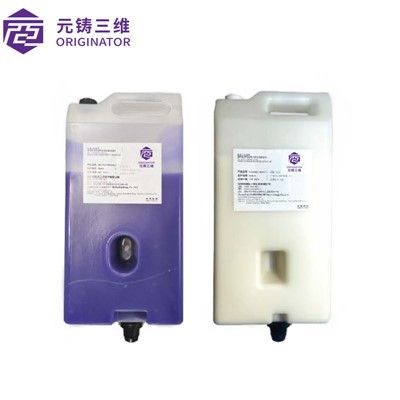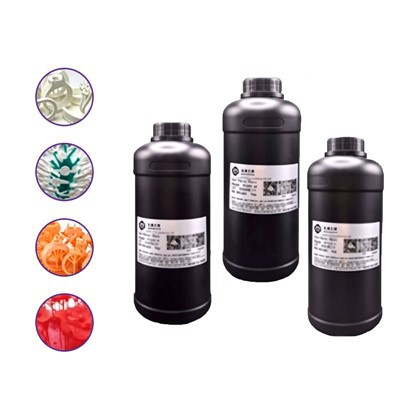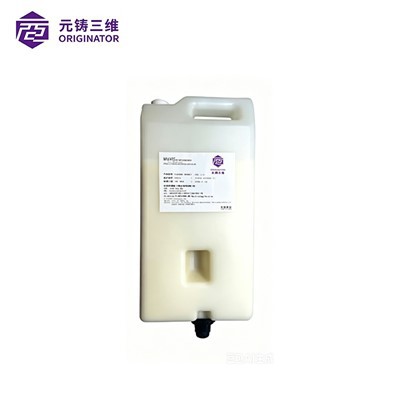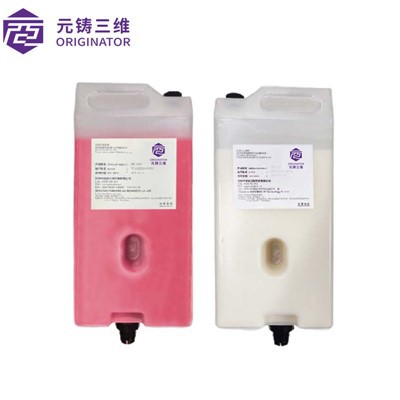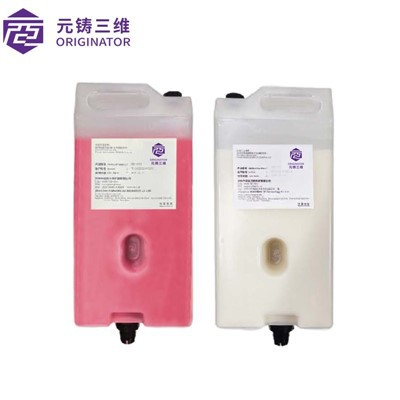
If you’ve ever worked in industries like jewelry design, investment casting, or 3D printing, you’ve probably encountered build wax materials—those versatile, workable substances that turn rough designs into precision parts. As a supplier with years of experience shipping wax materials to custom jewelers, aerospace prototypers, and educational institutions, one of the most common questions I get is: Is build wax material easy to shape? The short answer? It depends on the type of wax you’re working with, your tooling, and the specific project you’re tackling. But for most applications, modern build wax materials are designed to be far more shapeable than you might expect from traditional waxes of the past. Let’s break down why, and how our products fit into that equation.
First, let’s start with the basics of what makes a wax easy to shape. Shapeability here refers to a few key properties: malleability at working temperatures, resistance to cracking or breaking during manipulation, ability to hold fine details without smudging, and consistency that stays stable once formed. Old-fashioned paraffin wax, for example, is brittle when cool, melts too easily at low heat, and leaves a sticky residue if you overwork it. That’s why we moved to specialized build wax blends tailored for specific use cases. For anyone new to casting, our Casting Wax Material line is a great starting point. Unlike paraffin, these blends have a refined molecular structure that’s soft enough to shape with your hands at room temperature (around 70–75°F, or 21–24°C) but firm enough to keep sharp edges as you work.
Let’s take jewelry design, a sector where shapeability is non-negotiable. A jeweler might need to carve a tiny ring setting, twist a band into a custom pattern, or create a hollow shape for a pendant. For these detailed, small-scale projects, our Model Wax Material is a go-to for many of our clients. It’s formulated to have a “working range” that’s broad enough to let you trim, file, or sculpt for hours without the wax chipping or warping. I’ve heard from a bronze jewelry maker in Chicago who uses this wax for delicate filigree work—she says she can etch lines as thin as a human hair into it, and once she’s happy with the design, it holds that shape perfectly when it cools. That’s the kind of reliability that makes shapeability practical, not just a fun feature.
Of course, not every project is the same. Prototyping larger parts, like aerospace component test pieces, might require a wax that can be 3D printed instead of hand-carved. That’s where our 3D Printable Casting Wax comes in. A lot of people assume 3D printed materials are rigid or hard to refine, but this wax is different. It prints with a smooth, consistent surface that’s easy to sand, trim, or even melt slightly to smooth out layer lines once it’s out of the printer. We’ve had an aerospace engineering firm in Michigan use this wax to make turbine blade prototypes—they initially struggled with a too-brittle 3D wax, but switching to ours let them shape the complex aerodynamic curves without breaking the part before casting. That’s a big win for both shapeability and efficiency.
Wait, but what about projects that need flexibility? A lot of people don’t realize build wax isn’t one-size-fits-all—some parts need to be shaped and then removed from a mold without cracking. For example, if you’re making a multi-part mold for a decorative figurine, you need a wax that can bend slightly to pull out of tight corners. That’s why we developed our Flexible Wax Material. This wax has elastic polymers mixed in, so it’s soft enough to shape by hand, but can stretch just a little when needed. A client of ours who makes custom soap molds told us they use this wax for the detailed reliefs on their molds—they shape the wax into the negative space of the mold, and when they’re done, it flexes just enough to come out without damaging the fine details. If we’d given them a standard casting wax, it would have broken when they tried to remove it.
Now, let’s talk about common mistakes people make when trying to shape build wax. A lot of first-time users heat the wax too much, either with a heat gun or a hot tool, and end up with a sticky, warped mess. Shapeability works best when you work with the wax at its ideal temperature—usually just above its softening point, not fully melted. For hand-shaping, you can rub the wax between your palms to warm it up gradually; for detailed work, using a sharp, cooled carving tool (instead of a hot one) lets you make clean cuts without melting the area around it. Another mistake is choosing the wrong wax for the project. If you’re trying to make a large, bulky part that needs to hold its shape, a flexible wax might not be firm enough, and a 3D print wax that’s designed for printing might be too brittle to carve. That’s why we always encourage clients to reach out to our team—we can help match your project to the right material for maximum shapeability.
Speaking of 3D printing, another question we get: is wax printing material easy to shape after printing? The short answer is yes, but it depends on the type. Our Wax Printing Material is formulated to have a low melting point (around 140°F, or 60°C) so you can smooth layer lines with a gentle heat, but it’s firm enough to be sanded, filed, or even drilled for holes. A custom parts maker in Toronto uses this for small, intricate automotive prototypes—they print the wax parts and then shape the mounting holes by hand, since precision is critical for fitting metal components. They told us that before switching to our wax, they’d tried a competing brand that was so hard after printing they had to use power tools, which often chipped the part. Ours lets them use simple hand tools, saving time and reducing waste.
It’s also important to note that shapeability isn’t just about making the initial shape—it’s about the wax staying that shape until you need it. Some cheap waxes will shrink or warp as they sit, especially if the temperature changes. Our build wax materials are formulated with stabilizers that minimize shrinkage, so once you’ve carved or printed your design, it stays consistent. That’s a big deal for clients who ship their wax parts to foundries for casting—if the part changes shape in transit, the final metal part will be off. We’ve had a client in India who makes religious statues, and they used to lose up to 10% of their parts to warping with old waxes. Since switching to our casting wax, that number is down to less than 1%, and they’ve expanded their business because they can trust the shape holds.
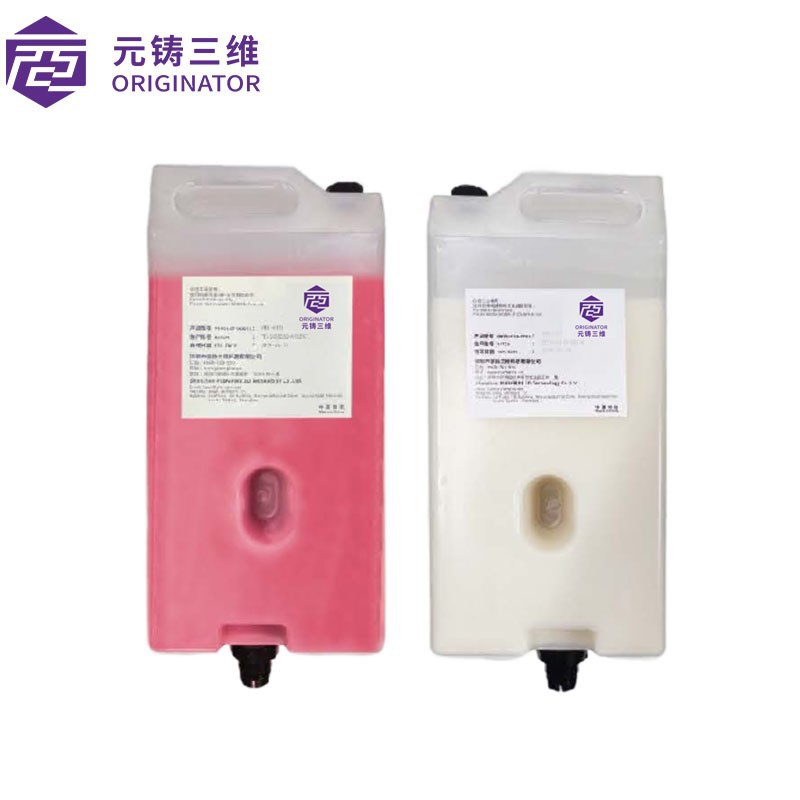
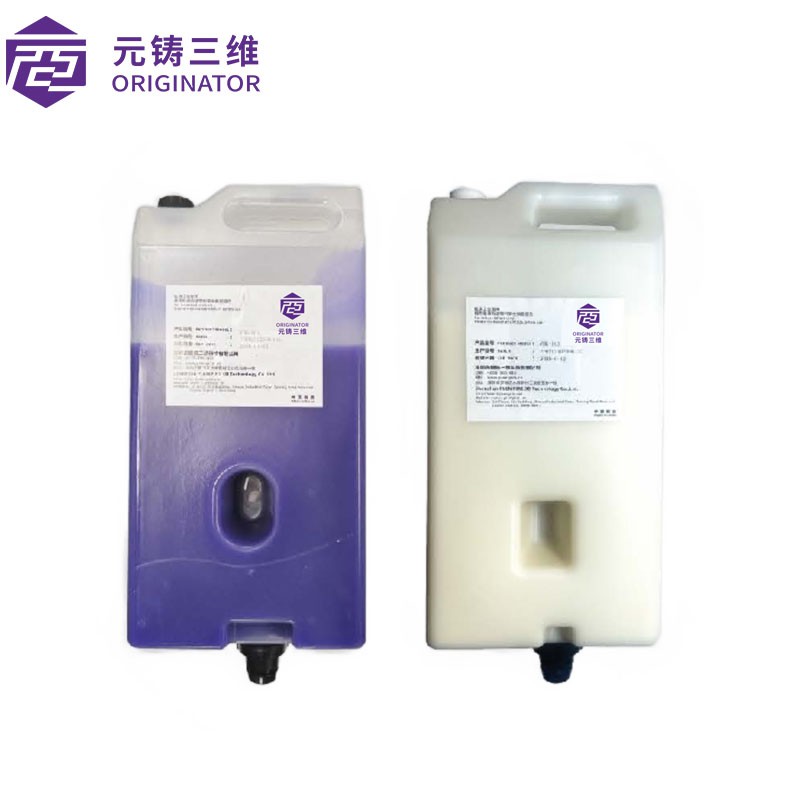
Now, let’s address a common myth: that build wax is too delicate for industrial use. On the contrary, many industrial casting projects rely on wax that’s both easy to shape and strong enough to handle the investment casting process (where the wax is encased in plaster and melted out). Our 3D Printable Casting Wax, for example, is strong enough to be handled multiple times during printing and shaping, but melts cleanly without leaving residue in the mold. That combination of shapeability and durability is why it’s become popular in industries beyond jewelry—from art sculpture to medical device prototyping.
So, to circle back to the original question: Is build wax material easy to shape? The answer is a resounding yes, when you use the right material for your project, work at the correct temperature, and have a basic understanding of wax properties. The key isn’t just “soft wax”—it’s wax that’s engineered to balance malleability, detail retention, and stability. Whether you’re a hobbyist carving a small figurine, a jeweler making a custom ring, or an engineer prototyping a large component, there’s a build wax material designed to make shaping easy.
If you’re curious to learn more about how our wax materials can work for your specific project, or you’re ready to place an order, feel free to reach out to our team for a no-obligation consultation. We’re here to help you find the right wax, share shaping tips, and support your projects every step of the way.
References
- Smith, J. (2022). Moldable Materials for Precision Manufacturing. Industrial Materials Journal, 45(2), 112–127.
- Lee, S., & Park, H. (2021). 3D Printing Wax for Investment Casting: Formulation and Shape Retention. Journal of Additive Manufacturing, 38, 102678.
- Patel, R. (2023). Wax Properties for Hand-Sculpted Jewelry. Art & Design Materials Quarterly, 17(4), 45–52.