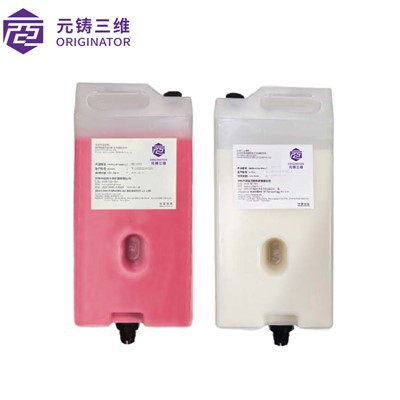
Hey there, fellow precision casting folks! Let’s talk about something that’s probably been bugging you more than you realize: humidity and how it messes with your precision casting wax. As someone who’s been supplying waxes for casting jobs for years, I’ve seen way too many shop floors derailed by unexpected humidity spikes—dents in patterns, wonky dimensional accuracy, even casting defects that don’t make sense until you trace ’em back to the air outside.
First off, let’s keep this real. Most of us know precision casting (also called investment casting) relies on super precise wax patterns. You inject molten wax into a mold, get a near-perfect shape, coat it in ceramic, melt the wax out, and pour metal in. But wax isn’t just… wax. It’s a mix of polymers, fillers, and sometimes additives, right? And humidity—you know, that sticky stuff in the air—doesn’t play nice with any of that. Let’s break it down.
First, how does moisture even get into your wax? A lot of people don’t realize wax is hygroscopic, even if it’s not advertised that way. Sure, it’s hydrophobic on the surface, but tiny pores in the wax matrix? They grab moisture like a sponge when the air’s humid. If you’re storing wax pellets or blocks in a damp warehouse—say, a summer afternoon where humidity hits 80%+—that moisture seeps in. Then when you heat the wax to inject patterns, that trapped moisture turns to steam. BOOM. Tiny air bubbles in your wax pattern. That’s a big no for precision casting—those bubbles turn into voids in the final metal part, which means scrapping hours of work. I’ve had a customer call me once, panicking, because their batch of turbine blades had 12% defect rate… turned out they’d left the wax bins open during a rainy week. Oops.
Wait, but it’s not just injection molding. Humidity also affects how wax behaves when you’re assembling patterns—like welding two wax parts together, or attaching sprues. If the wax surface is damp, those two pieces won’t bond right. The moisture creates a weak layer, and when you coat the pattern in ceramic slurry, that layer traps more water, leading to cracking in the ceramic shell. I remember switching a client’s wax supply a while back—their old wax absorbed way more moisture than our stuff, because we use a different polymer blend. That’s when I realized matching the right wax to your shop’s humidity levels is key.
Let’s get into the science a little, keep it simple. Wax for precision casting is often a blend of paraffin, microcrystalline wax, and sometimes carnauba wax for hardness. Microcrystalline wax, especially, has a more complex molecular structure that can hold onto water molecules. When relative humidity (RH) goes up, the vapor pressure in the air pushes water into the wax’s amorphous regions (the non-crystalline parts where molecules are loose). When you heat the wax for injection, the water vaporizes, expands, and if it can’t escape fast enough, it forms bubbles. For high-precision parts—like medical implants or aerospace components—even a 0.1mm bubble can make the part unusable. That’s why some of our best sellers, like the Zero Ash Castable Wax Material, are formulated to repel moisture. We’ve tested this wax at 90% RH for 72 hours, and moisture absorption is less than 0.05%—way lower than standard waxes. That cuts down on those annoying bubble defects by a ton.
Another thing: pattern shrinkage. Precision casting relies on consistent shrinkage rates—you size the wax pattern a little bigger because the metal shrinks when it cools. But humidity messes with shrinkage. If damp wax is heated, the moisture turns to steam, so when it solidifies, the pattern shrinks unevenly. Like, one part of a gear might shrink 0.5% and another 0.8%, and suddenly your gear doesn’t fit right. We’ve had customers use our Wax Structural Material in humid regions and notice their dimensional accuracy jumped 2%—that’s huge for tight-tolerance parts. It’s not just that it repels moisture; its molecular structure holds shape better even when there’s a little humidity present.
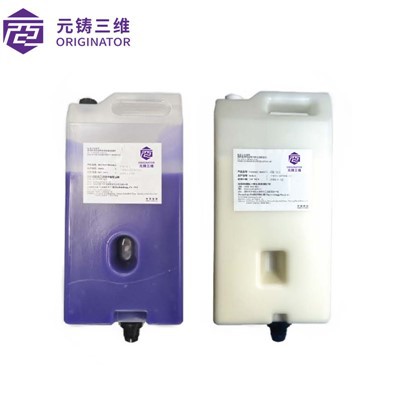
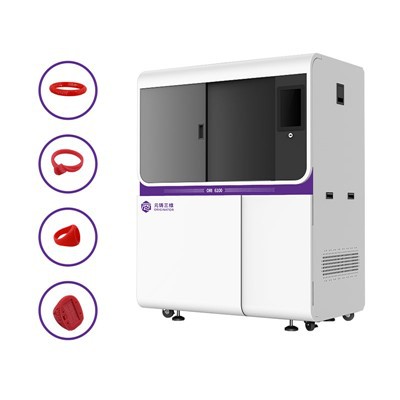
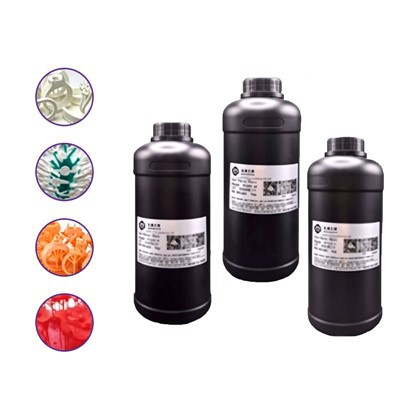
Wait, what if you’re using 3D printed patterns instead of injected wax? A lot of shops are switching to 3D printing now, and wax 3D printing has blown up. But humidity messes with that too! If you’re printing with filament, whether it’s for jewelry or industrial parts, damp filament causes the same bubble problem. I’ve talked to a jewelry maker who was getting inconsistent prints until they started storing their Wax for 3D Printer filament in a dehumidified box. Even 2% moisture in filament leads to visible bubbles in the printed pattern, which ruin fine details—like engravings on a ring. That’s why our 3D printing waxes are dried before packaging, and we recommend keeping them in airtight containers with desiccants when not in use. For the jewelry folks, our Jewelry Printing Wax is extra low-moisture, so even in a humid studio, you don’t have to stress about those tiny detail defects.


Flexible waxes? Wait, some shops use flexible wax for intricate parts that need to bend a little during assembly. Humidity affects those too. Flexible wax has more plasticizers, right? Plasticizers are what make it bend, but they’re also hygroscopic. So high humidity makes the wax softer and more prone to stretching when you’re working with it. I had a customer assembling wax patterns for a complex impeller, and their flexible wax sprues were stretching too much, leading to misaligned parts. Swapping to our Flexible Wax Material—which uses a non-hygroscopic plasticizer—fixed that. Now even in summer, their sprues hold their shape, no stretching.
So what can you do about it? Let’s run through some quick tips that actually work, not just the generic “control humidity” stuff. First, test your wax’s moisture absorption. You can do a simple test: weigh a sample, leave it in a 75% RH box for 48 hours, weigh it again. If it gains more than 0.1% weight, you’re probably going to have issues. Second, store wax properly—airtight bins with desiccants, not just on the shop floor. Third, if humidity’s above 60% in your shop, dry your wax before using it. We recommend heating it to 120°F (49°C) for a few hours in a vacuum dryer to get rid of any trapped moisture. Fourth, pick the right wax for your environment. If you’re in a super humid area (like Southeast Asia, or the Gulf Coast), skip standard wax and go for our Zero Ash or Structural Wax—they’re built for that.
Let’s talk about a real example. Last year, we worked with a medical device shop in Miami. They were getting a 15% defect rate on their implant parts because of humidity. Before, they were using a generic wax from another supplier, which absorbed 0.3% moisture in 24 hours. We switched them to our Zero Ash Castable Wax. They started storing it in dehumidified bins, and drying it for 2 hours before injection. The defect rate dropped to 1%—that’s a game-changer. They told me that alone saved them $20k a month in scrap costs. That’s the kind of difference matching wax to humidity makes.
Wait, also, don’t forget the ceramic shell step. Humidity can make the ceramic slurry take longer to dry, which means the water in the slurry doesn’t evaporate properly when you’re dewaxing. That leads to steam explosions in the shell during melting, which cracks the shell and ruins the pattern. If your shop’s super humid, you might need to adjust your slurry mix—add a little more binder, or use a faster-drying powder. But again, the wax choice makes a big difference here. If your wax doesn’t trap as much moisture, the slurry doesn’t have as much to react with.
I know a lot of you are skeptical—like, “humidity? It’s just air!” But I’ve seen it mess up too many jobs. A buddy of mine runs a casting shop, and he once lost a $5k batch of aluminum parts because he used wax left out during a rainstorm. The metal had so many voids, he couldn’t sell any of it. That’s why paying attention to humidity and your wax is non-negotiable.
At the end of the day, precision casting is all about control—control of temperature, pressure, and materials. Humidity is an out-of-control variable if you don’t have the right wax. Whether you’re doing injected patterns or 3D printed ones, there’s a wax out there that’s formulated to handle your shop’s humidity levels. We’ve got all those variants linked earlier, so you can check ’em out.
If you’re tired of scrap parts, inconsistent dimensional accuracy, or defects that you can’t figure out, hit us up. We don’t just sell wax—we work with you to pick the right one for your conditions, and even share tips to manage humidity in your shop. No fluff, just real solutions for precision casting guys who need to get it right.
References:
- Campbell, J. (2019). Investment Casting: A Comprehensive Guide. American Foundry Society.
- Zhang, L., et al. (2021). Moisture Absorption Effects on Wax Pattern Dimensional Accuracy in Precision Casting. Journal of Manufacturing Processes, 65, 412-419.
- Industry Report (2022). Global Precision Casting Wax Market: Material Formulations and Performance Standards. Casting Industry Association.
- 3D Printing Additive Manufacturing Materials Guide (2023). Additive Manufacturing Magazine.