Hey there! As a casting wax material supplier, I often get asked if casting wax material can be recycled. It's a super important question, not just for our business but for the environment too. So, let's dive right in and explore this topic.
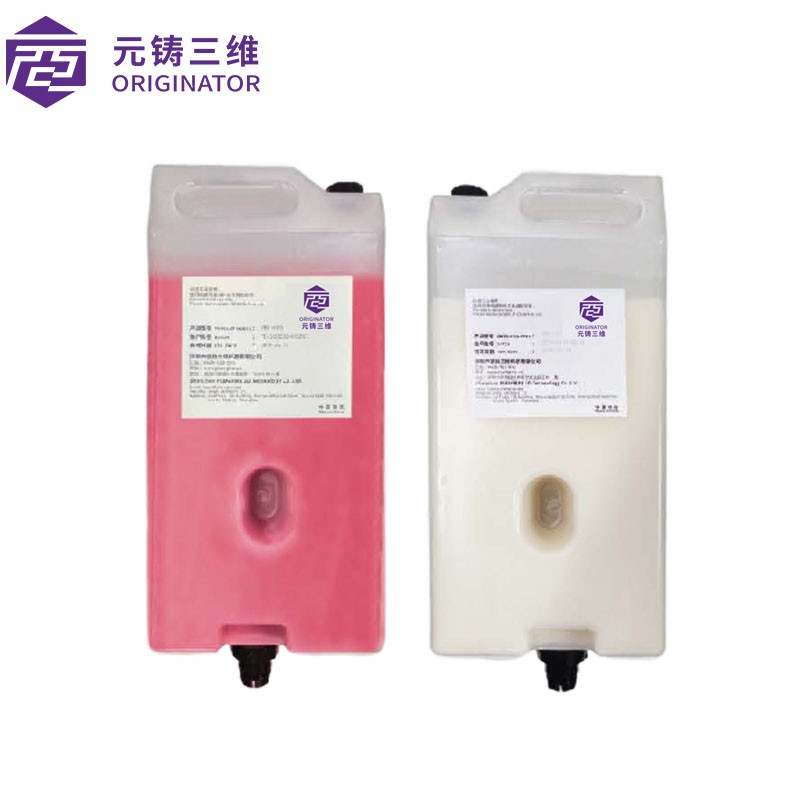
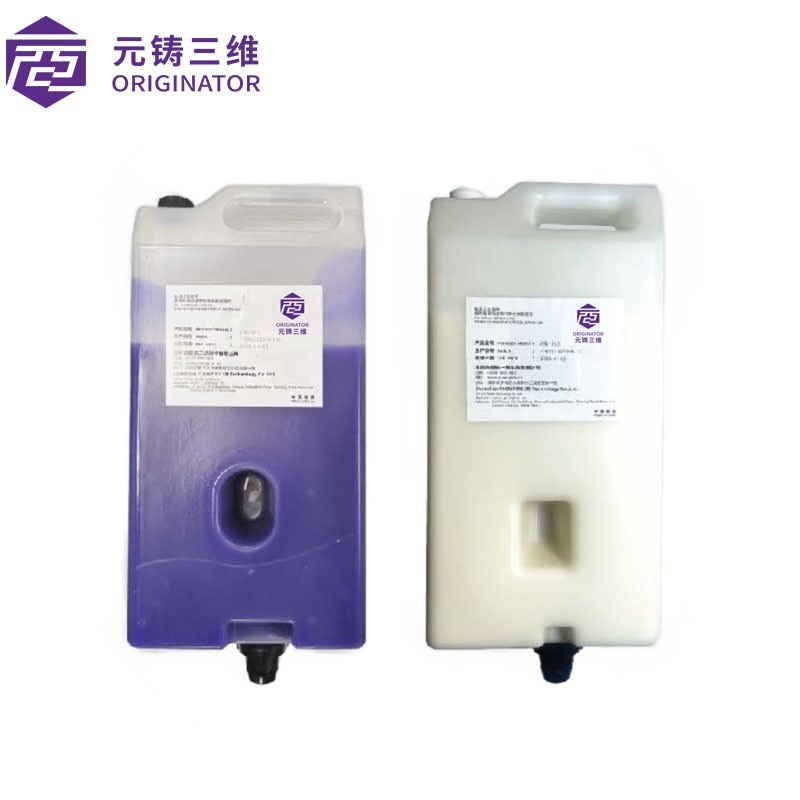
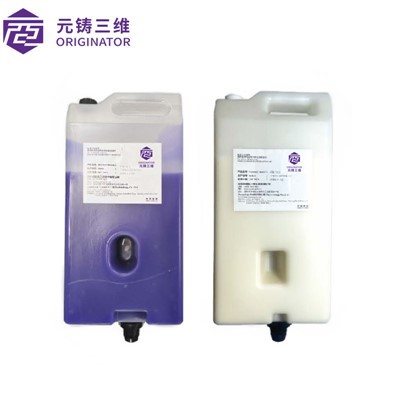
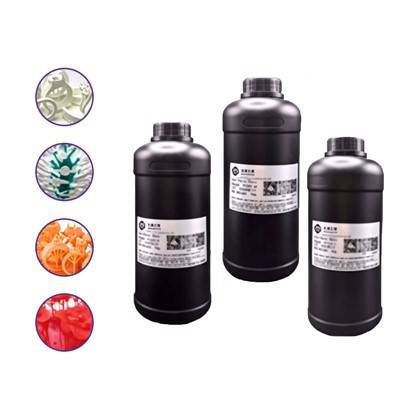
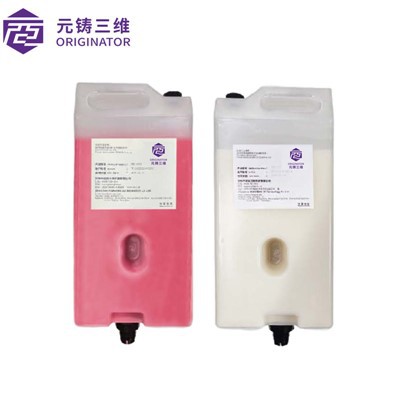
First off, let's talk about what casting wax is. Casting wax is a crucial material in various industries, especially in jewelry making and precision casting. It's used to create detailed wax models that are then used to make molds for metal castings. There are different types of casting wax materials available on the market, each with its own unique properties and uses. For instance, Clean Burnout Wax is great for applications where a clean burnout is required. It leaves minimal residue when melted, which is essential for high-quality castings.
Then we have Wax Support Material. This type of wax is used to support more complex 3D printed wax models during the printing process. It can be easily removed later, leaving the main wax model intact. And flexible wax material is, as the name suggests, flexible. It's useful for creating parts that need to bend or have some give without breaking.
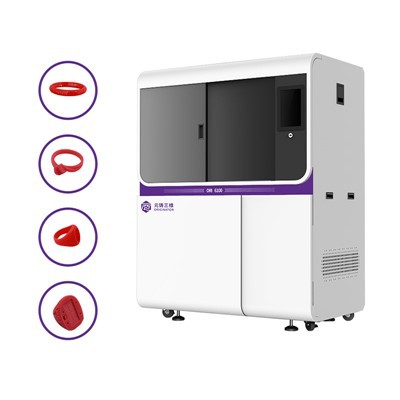
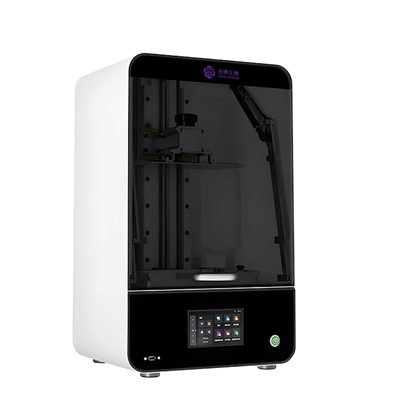
Wax for 3D printers is specifically formulated for 3D printing technology. It has the right viscosity and melting point to ensure smooth printing and accurate details. And jewelry wax material is designed to meet the high-precision requirements of the jewelry industry, allowing jewelers to create intricate and beautiful pieces.
Now, back to the main question: Can casting wax material be recycled? The short answer is yes, it can. But it's not as straightforward as just melting it down and reusing it. There are several factors to consider.
One of the main challenges in recycling casting wax is contamination. During the casting process, the wax can come into contact with various substances such as metal particles, dust, and other impurities. These contaminants can affect the quality of the recycled wax. For example, if there are metal particles in the wax, they can cause defects in the castings made from the recycled wax. So, before recycling, the wax needs to be properly cleaned and filtered to remove these contaminants.
Another factor is the type of wax. Different types of casting wax have different melting points and chemical compositions. Mixing different types of wax during the recycling process can lead to inconsistent properties in the recycled wax. For instance, if you mix a high-melting-point wax with a low-melting-point wax, the resulting recycled wax may have an unpredictable melting behavior, which can affect the casting process. So, it's important to separate the wax by type before recycling.
The recycling process itself typically involves melting the wax. This is usually done in a specialized wax melting unit. The melted wax is then filtered to remove any solid particles. After that, it may be treated with chemicals to remove any remaining impurities. Once the wax is clean and free of contaminants, it can be reused to make new wax models.
However, it's important to note that recycling casting wax may not always be cost-effective. The equipment and processes required for recycling can be expensive. Also, the quality of the recycled wax may not be as high as that of new wax in some cases. But for businesses that generate a large amount of waste wax, recycling can still be a viable option. It not only helps to reduce waste but also can save on the cost of purchasing new wax in the long run.
In addition to the practical considerations, there are also environmental benefits to recycling casting wax. By recycling, we can reduce the amount of waste that goes into landfills. Wax is not a biodegradable material, so if it's not recycled, it can stay in landfills for a long time. Recycling also helps to conserve natural resources, as less new wax needs to be produced.
As a casting wax material supplier, I'm always looking for ways to promote sustainable practices. We offer guidance to our customers on how to recycle their wax effectively. We also provide information on the best types of wax for different applications, which can help reduce waste in the first place.
If you're in the market for casting wax materials, whether it's for jewelry making, 3D printing, or other casting applications, we've got you covered. We offer a wide range of high-quality casting wax materials, including all the types I've mentioned above. And if you have any questions about recycling or using our products, don't hesitate to reach out. We're here to help you make the most of your casting wax and find the best solutions for your business.
If you're interested in purchasing our casting wax materials or want to discuss your specific requirements, feel free to get in touch. We'd love to have a chat and see how we can work together to meet your needs. Whether you're a small-scale jeweler or a large-scale manufacturing company, we have the products and expertise to support you.
References
- General knowledge of the casting wax industry and recycling processes.
- Industry reports on the use and recycling of casting wax materials.