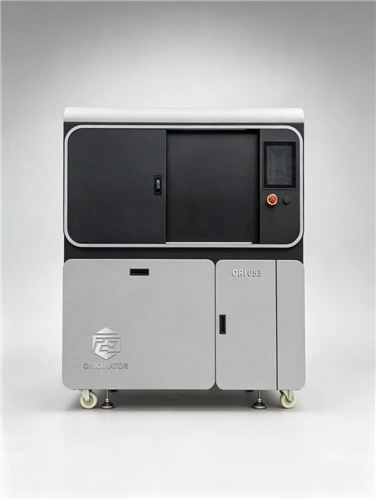
3D printing has been developing for decades, and various 3D printing technologies have matured and gradually entered various industries. Currently, the mainstream industries using 3D printing include jewelry, toys, automobiles, cultural and creative products, electronics, medical devices, and casting. In the jewelry industry, 3D printing technology has developed rapidly, creating favorable opportunities for personalized and intelligent manufacturing of jewelry designs.
In today's consumer market, with a younger consumer base, people's pursuit of consumption is gradually shifting towards customization and personalization. This is especially true in the jewelry industry, where everyone wants their jewelry to be unique and reflect their personal style and taste. Therefore, many jewelry designers are starting to use 3D printing technology to first print corresponding templates for their designs, and then complete the customization according to the client's needs. This has made jewelry 3D printers increasingly mainstream in the jewelry industry, becoming a new jewelry craft.
The key features of 3D jewelry printers include:
High production speed: 3D jewelry printers can create complex and exquisite jewelry models in a very short time, avoiding the tedious and time-consuming process of traditional handcrafting.
High precision: 3D printing technology enables the creation of highly precise jewelry models, reducing errors and imperfections that may occur during handcrafting.
Low production cost: Compared to traditional jewelry making processes, 3D printing technology has lower production costs and allows for mass production, improving production efficiency.
High creative design freedom: 3D printing technology allows for free design and production of jewelry, enabling personalized and diverse designs based on the designer's creativity.
Sustainable development: 3D printing technology enables digital production and personalized jewelry creation, avoiding the waste and environmental pollution that may occur in traditional production processes.